
Deck Railings, Stairs & Safety Upgrades
Protect your family and guests with safe, code-compliant railings and stairs that look great too.
Why Deck Safety Matters
Your deck should be a safe place for your family and guests. Unfortunately, deck accidents happen more often than you might think. Falls from decks send thousands of people to the emergency room every year. Many of these accidents could be prevented with proper railings, secure stairs, and other safety features.
Building codes exist specifically to prevent these accidents. They require railings on decks above a certain height, specify maximum spacing for balusters, and set standards for stair construction. These are not arbitrary rules. They are based on decades of research into what keeps people safe. If your deck is older or was built without proper permits, it might not meet current safety standards.
Even if your deck was built to code when it was new, standards have improved over time. What was acceptable 20 years ago might not meet current requirements. Regular inspections help identify safety issues before they cause problems. If you have young children, elderly relatives, or anyone with mobility concerns using your deck, safety upgrades become even more important.
Common Safety Issues We Fix
- Loose or wobbly railings that do not provide adequate support
- Balusters spaced too far apart, creating fall hazards for children
- Stairs with uneven treads or improper rise and run measurements
- Missing handrails on stairs or insufficient railing height
- Rotted or damaged posts that compromise structural integrity
- Decks without any railings where code requires them
Railing Options for Your Deck
Railings are not just about safety. They also define the look and feel of your deck. The right railing system can enhance your home's appearance and add value. The wrong one can make your deck feel closed in or cluttered. We help you choose railings that are both safe and attractive for your Waltham deck project.
Wood Railings
Traditional wood railings are classic and versatile. They can be painted or stained to match your deck and home. Wood railings work well with both wood decks and composite materials. They are also one of the most affordable options. The downside is maintenance. Wood railings need the same care as wood decking, including periodic staining or painting and occasional repairs.
Composite Railings
If you have a composite deck, composite railings are a natural match. They offer the same low-maintenance benefits as composite decking. No painting, no staining, just occasional cleaning. Composite railing systems come in many styles and colors. Some look like traditional painted wood. Others have sleek modern designs. They cost more than wood but save you maintenance time and hassle.
Metal Railings
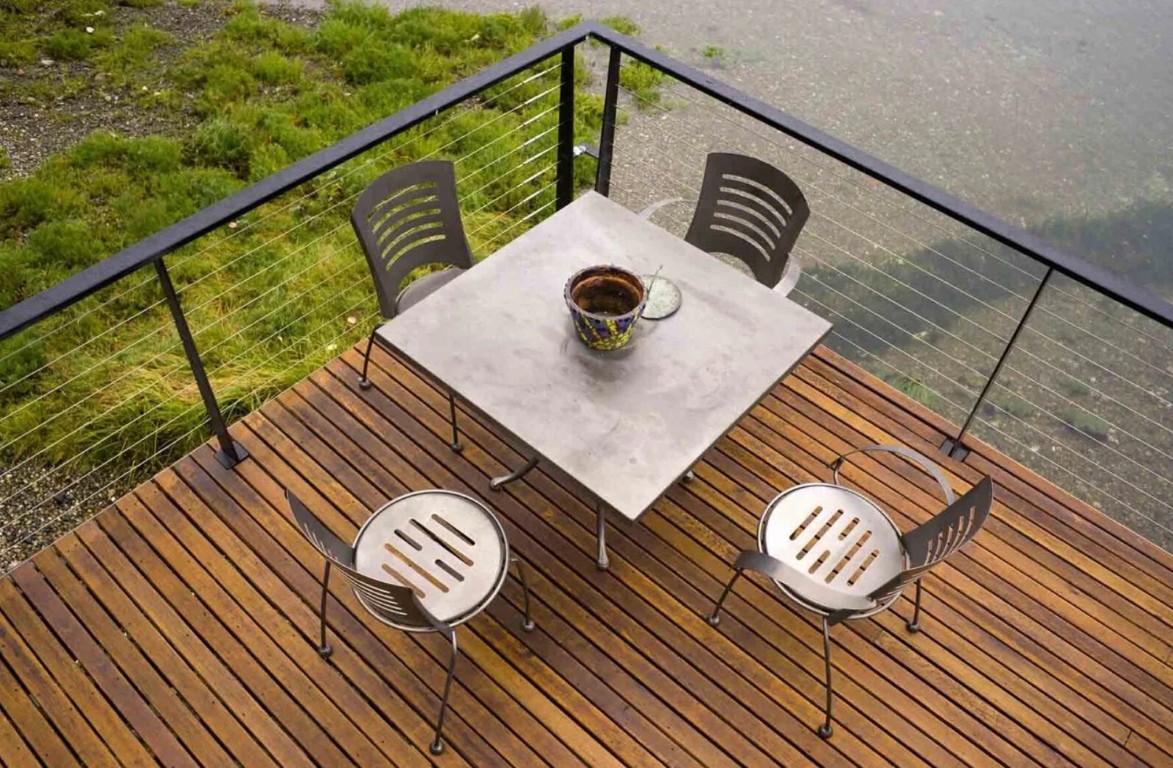
Aluminum and steel railings offer a contemporary look and excellent durability. Powder-coated aluminum will not rust and requires almost no maintenance. Cable railing systems use thin steel cables instead of traditional balusters, creating an open feel with unobstructed views. Glass panel railings provide even more openness while still meeting code requirements. Metal railings tend to be more expensive but are increasingly popular for their modern aesthetic and durability.
Vinyl Railings
Vinyl railings are affordable and low maintenance. They will not rot, peel, or need painting. White vinyl is the most common option, though other colors are available. Vinyl works well for traditional designs but has fewer modern style options than other materials. It is a practical choice if you want something simple and easy to care for.
Safe and Functional Deck Stairs
Poorly built deck stairs are where many accidents happen. Building safe stairs requires precision and attention to code requirements. Each step must have the same rise and run measurements. Treads must be deep enough for secure footing. Handrails must be properly placed and securely attached. These details matter.
Building codes specify maximum and minimum measurements for stair construction. The rise (vertical height of each step) and run (horizontal depth) must fall within specific ranges. All steps in a stairway must be uniform. Even small variations can cause people to trip. We build stairs correctly, with consistent measurements and proper support.
We also make sure your stairs have adequate handrails. Code requires handrails on stairs with four or more risers. Handrails must be at a specific height and distance from the wall. They must be graspable, meaning you can wrap your hand around them securely. These requirements exist to prevent falls and provide support when you need it.
Beyond meeting code, we design stairs that work well for your property. We consider where the stairs land in your yard, how they connect to paths or patios, and whether you need multiple access points. We can also add features like wider treads for easier use or lighting for nighttime safety. For composite deck installations, we match stair materials to your decking for a cohesive look.
Additional Safety Upgrades
Beyond railings and stairs, other upgrades can make your deck safer and more enjoyable to use. Lighting improves safety after dark and extends the usable hours of your deck. We install post cap lights, stair lights, and under-rail lighting that illuminate walking surfaces without creating glare. LED options are energy-efficient and last for years.
Gates are important if you have children or pets. A gate at the top of stairs prevents falls and keeps little ones safely on the deck. We install self-closing, self-latching gates that meet code requirements for swimming pool barriers, which are the strictest safety standards available.
For elevated decks, we recommend skirting or lattice to close the area underneath. This prevents children and animals from playing in a potentially dangerous space. It also improves the appearance of your deck by hiding the structural components underneath.
Non-slip surfaces are another option, especially for stairs and high-traffic areas. Textured composite materials, adhesive tread strips, or special coatings can reduce the risk of slipping when your deck is wet. These treatments are particularly valuable in shady areas that stay damp or during winter months when ice might form.
Upgrading an Existing Deck
If you have an older deck, we can inspect it and identify safety concerns. Many older decks have railings that do not meet current code or stairs that were not built correctly. We can upgrade these features without rebuilding your entire deck. This is often a cost-effective way to improve safety and bring your deck up to current standards.
Sometimes the railings are fine, but the posts they are attached to have rotted at the base. Replacing posts is a common repair that we handle routinely. We remove the damaged posts, install new ones on proper footings, and reattach the railings securely. This extends the life of your deck and ensures the railings will actually support someone who leans on them.
When railings need complete replacement, it is an opportunity to update the look of your deck. You might want to switch from wood to composite or add a cable railing system for better views. We can also adjust the design to better suit how you use your deck. Maybe you want a wider opening at the top of the stairs or additional railings to create defined spaces on a large deck.
If your deck needs more than just railing upgrades, we offer complete repair and restoration services to address all your deck's needs.
Concerned About Deck Safety?
We provide free safety inspections and can show you exactly what needs attention to make your deck safe for everyone.